

Experience Next-Level Wellness with Fire and Ice & Siphox Health
We've packed the 20+ critical blood biomarkers you need into a single, at-home kit. It's easy to use and offered at an incredibly low price. It's also clinically accurate without compromise.
- Results in 3-5 working days.
- FSA and HSA approved.
How It Works
Discover Your Health.
1
Order Your Kit.
Delivered to your door. Our health kit provides the most biomarkers at the lowest cost on the market.
2
Take The Test.
Convenience meets accuracy. Simple, easy-to-follow instructions make the testing process a breeze.
3
Discover Your Insights.
Receive personalized insights on your biomarkers within a few days. Take action, monitor your progress, and live healthier.
Comprehensive kit
Everything you need
The most convenient and comprehensive at-home test kit on the market. Includes pain-free lancets and free delivery both ways.

A tool for every step of your health journey
- Collect your sample in under 10 minutes
- Our care team can walk you through the full process via phone or video
- Kits are giftable and transferrable to friends and family
- Easy to understand report with insights in 3-5 days
Each kit includes at least 17 biomarkers
- % Free Testosterone
- % Hemoglobin A1C
- 25-(OH) Vitamin D
- ALT
- Albumin
- AMH
- ApoB:ApoA1 Ratio
- APOA1
- APOB
- AST
- AST:ALT Ratio
- Blood Urea Nitrogen (BUN)
- BUN:Creatinine Ratio
- Creatinine
- Cystatin C
- DHEA-S
- DHEA-S:Cortisol Ratio
- eGFR
- Estimated Average Glucose (eAG)
- Estradiol (Sensitive)
- Free Androgen Index
- Ferritin
- Folate
- FSH
- Free Androgen Index
- Free T3:Free T4 Ratio
- T4 (free)
- T3 (free)
- HDL Cholesterol
- High-Sensitivity CRP
- Homocysteine (HCY)
- TIBC
- LDL Cholesterol
- LDL-C:ApoB Ratio
- LDL-C:HDL-C Ratio
- LH:FSH Ratio
- Lipoprotein (a)
- LH
- Morning Cortisol
- PRL
- PSA
- SHBG
- Testosterone, Free (Calc)
- Testosterone, Total (Males)
- Testosterone:Cortisol Ratio
- TSH
- TPOAb
- Total Cholesterol:HDL Ratio
- Triglycerides
- Triglycerides:HDL Ratio
- TSH:T4 Ratio
- Vitamin B12
- VLDL Cholesterol (Calc)
Vitamin B12
Measuring vitamin B12 levels is essential for assessing overall health because this vitamin plays a critical role in brain function, red blood cell production, and DNA synthesis. Low levels can lead to symptoms like fatigue, weakness, memory loss, and nerve damage.
Included in a typically annual blood test?
Biomarker for your:
How to improve?
How easy to improve?
VLDL Cholesterol (Calc)
VLDL transports triglycerides in the bloodstream and is considered a risk marker for cardiovascular disease. Elevated VLDL levels can contribute to plaque buildup in arteries, increasing heart disease risk.
Included in a typically annual blood test?
How to improve?
How easy to improve?
% Free Testosterone
% free testosterone is the portion of testosterone in your blood that is not bound to proteins and is readily available for use by your body's tissues. This hormone plays a vital role in many functions, including muscle mass, bone density, mood, and sexual health. A blood test measuring % free testosterone levels can help doctors diagnose conditions like hypogonadism, where the body produces insufficient testosterone, leading to symptoms like fatigue, low libido, and decreased muscle mass. It can also help detect other health issues such as hormonal imbalances or pituitary disorders.
Included in a typically annual blood test?
How to improve?
How easy to improve?
% Hemoglobin A1C
HbA1c (Hemoglobin A1c) is a biomarker that measures the average blood sugar levels over the past 2-3 months and is used to diagnose and monitor diabetes. Levels that are consistently above 5.6% may warrant a visit to a physician.
Included in a typically annual blood test?
Biomarker for your:
How to improve?
How easy to improve?
25-(OH) Vitamin D
25-(OH) Vitamin D is an important biomarker for assessing your vitamin D status, which is essential for bone strength, immune function, and overall well-being. Your body produces vitamin D through sun exposure and obtains it from certain foods and supplements. Low levels can lead to bone problems, weakened immunity, and increased risk of chronic diseases, while excessively high levels can cause toxicity.
Included in a typically annual blood test?
Biomarker for your:
How to improve?
How easy to improve?
Alanine Aminotransferase (ALT)
ALT (Alanine Aminotransferase) is an enzyme found primarily in the liver, and elevated levels can indicate liver damage or disease.
Included in a typically annual blood test?
Biomarker for your:
How to improve?
How easy to improve?
Albumin
Albumin is a protein made by the liver that helps maintain blood volume and pressure by keeping fluid in your blood vessels. Low albumin levels can indicate liver disease, kidney problems, or malnutrition.
Included in a typically annual blood test?
Biomarker for your:
How to improve?
How easy to improve?
Anti-Mullerian Hormone (AMH)
AMH (Anti-Müllerian Hormone) is a hormone produced by ovarian follicles that serves as a marker of a woman's ovarian reserve and fertility potential.
Included in a typically annual blood test?
Biomarker for your:
How to improve?
How easy to improve?
ApoB:ApoA1 Ratio
The ApoB/ApoA1 ratio is highly valuable for detecting atherogenic (plaque-filled artery) risk. The lower the ApoB/ApoA1 ratio, the lower the risk.
Included in a typically annual blood test?
Biomarker for your:
How to improve?
How easy to improve?
Apolipoprotein A1 (APOA1)
ApoA1, the main protein in HDL-C particles, plays a crucial role in cholesterol transport and clearance. It is considered the most informative biomarker for "good" cholesterol and is used to assess cardiovascular disease risk.
Included in a typically annual blood test?
Biomarker for your:
How to improve?
How easy to improve?
Apolipoprotein B (APOB)
ApoB is an atherogenic particle responsible for transporting "bad" cholesterol, contributing to plaque formation in arteries. Research indicates that ApoB is a more accurate predictor of cardiovascular events, such as myocardial infarction, compared to LDL-C. Elevated ApoB levels are strongly linked to increased cardiovascular risk, making it a valuable biomarker for assessing the likelihood of cardiovascular disease.
Included in a typically annual blood test?
Biomarker for your:
How to improve?
How easy to improve?
Aspartate Aminotransferase (AST)
AST (Aspartate Aminotransferase) is an enzyme found in several tissues, including the liver and heart. Elevated levels of AST can indicate potential liver damage or disease, making it a valuable biomarker for diagnosing and monitoring liver health.
Included in a typically annual blood test?
Biomarker for your:
How to improve?
How easy to improve?
AST:ALT Ratio
The AST:ALT ratio, also known as the De Ritis ratio, helps differentiate types of liver injury and assess liver function. This ratio can help distinguish between different types of liver disease and sometimes identify non-liver causes of enzyme elevations. While both AST and ALT are produced in the liver, AST is also found in other tissues such as the heart and muscles, whereas ALT is more liver-specific. This difference is what gives the De Ritis Ratio its diagnostic value in interpreting liver injury patterns.
Included in a typically annual blood test?
How to improve?
How easy to improve?
Blood Urea Nitrogen (BUN)
Blood Urea Nitrogen (BUN) measures the amount of urea nitrogen in your blood, a waste product produced by the liver when protein is broken down. Monitoring BUN levels helps assess how well your kidneys are functioning since they are responsible for filtering and removing urea from the blood. Elevated BUN levels can indicate kidney damage or disease, dehydration, or other conditions affecting kidney function.
Included in a typically annual blood test?
Biomarker for your:
How to improve?
How easy to improve?
BUN:Creatinine Ratio
The BUN (Blood Urea Nitrogen) to creatinine ratio is a valuable medical test that helps doctors understand how well your kidneys are functioning. Urea and creatinine are waste products that your kidneys filter out of your blood. By comparing the levels of these substances, doctors can identify whether a high BUN is due to kidney problems, dehydration, or other issues. A high ratio might indicate dehydration, while a lower ratio could suggest kidney disease or other medical conditions.
Included in a typically annual blood test?
How to improve?
How easy to improve?
Creatinine
Creatinine is a waste product produced by muscles and filtered out of the blood by the kidneys. High levels of creatinine in the blood can indicate that the kidneys are not working properly, which could be due to conditions such as chronic kidney disease or acute kidney injury.
Included in a typically annual blood test?
Biomarker for your:
How to improve?
How easy to improve?
Cystatin C
Cystatin C is a protein produced by all cells in your body and is filtered out of the blood by your kidneys. Measuring Cystatin C levels in your blood provides a reliable indicator of kidney function. High levels of Cystatin C can indicate reduced kidney function or early stages of kidney disease, allowing doctors to diagnose and treat these conditions promptly to prevent further kidney damage and maintain overall health.
Included in a typically annual blood test?
How to improve?
How easy to improve?
Dehydroepiandrosterone Sulfate (DHEA-S)
Measuring DHEA-S (Dehydroepiandrosterone sulfate) levels is important because DHEA-S is a hormone produced by the adrenal glands that serves as a precursor to other hormones like estrogen and testosterone. It plays a crucial role in regulating metabolism, immune function, and the body's response to stress. Abnormal DHEA-S levels can indicate issues such as adrenal gland disorders, polycystic ovary syndrome (PCOS), or chronic stress.
Included in a typically annual blood test?
Biomarker for your:
How to improve?
How easy to improve?
DHEA-S:Cortisol Ratio
The DHEA-S:Cortisol ratio reflects the balance between anabolic (DHEA-S) and catabolic (cortisol) activity in the body. A lower ratio may indicate chronic stress, inflammation, or adrenal dysfunction, while a higher ratio is generally associated with better stress adaptation, mood stability, and metabolic resilience. Monitoring this ratio can help assess how the body is coping with physical and emotional stress over time.
Included in a typically annual blood test?
How to improve?
How easy to improve?
eGFR
eGFR (estimated Glomerular Filtration Rate) is a crucial measure of kidney function. It estimates how well your kidneys are filtering waste from your blood. Monitoring eGFR is important because it helps detect early signs of kidney disease, even before symptoms appear. By knowing your eGFR, you can assess kidney health, track any changes over time, and take steps to prevent further damage.
Included in a typically annual blood test?
Biomarker for your:
How to improve?
How easy to improve?
Estim. Avg Glu (eAG)
EAG provides an estimate of your average blood glucose levels over time, offering valuable insights into glycemic control and metabolic health. It is especially useful for monitoring diabetes management.
Included in a typically annual blood test?
How to improve?
How easy to improve?
Estradiol (Sensitive)
Estradiol is a key hormone in the body, important for both women and men. In women, it regulates the menstrual cycle, reproductive system, and overall hormonal balance. In men, estradiol is essential for maintaining bone density, modulating libido, and supporting sperm production. Measuring estradiol levels is valuable for assessing reproductive health, diagnosing conditions like polycystic ovary syndrome (PCOS) or menopause in women, and evaluating bone health and hormonal balance in both sexes. Abnormal estradiol levels can also impact cardiovascular health and mood.
Included in a typically annual blood test?
Biomarker for your:
How to improve?
How easy to improve?
Female Free Androgen Index (FAI)
The Free Androgen Index (FAI) is a calculation used to estimate the amount of active testosterone in your body. Testosterone is a hormone that plays a key role in many functions, including muscle growth, mood, and reproductive health. However, only a small portion of testosterone is "free" and active, while the rest is bound to proteins and not directly usable by the body. The FAI gives a clearer picture of how much active testosterone you have, which is important for diagnosing conditions like polycystic ovary syndrome (PCOS) in women or low testosterone levels in men.
Included in a typically annual blood test?
How to improve?
How easy to improve?
Ferritin
Ferritin is a protein that stores iron in your body, making it an important marker for assessing your iron levels. It also acts as an acute-phase protein, meaning its levels can increase in response to inflammation or infection. Measuring ferritin levels helps determine if you have enough iron to support vital functions like making red blood cells, which carry oxygen throughout your body. Low ferritin levels can indicate iron deficiency, leading to anemia, fatigue, and weakened immunity. High ferritin levels can suggest conditions like hemochromatosis (iron overload) or chronic inflammation.
Included in a typically annual blood test?
Biomarker for your:
How to improve?
How easy to improve?
Folate
Folate, also known as Vitamin B9, plays an important role in DNA synthesis and repair, which is vital for cell growth and function. Folate is particularly important during periods of rapid growth, such as pregnancy and infancy.It also supports the production of red blood cells, preventing anemia and promoting oxygen transport throughout the body. Low folate levels can lead to fatigue, weakness, and increased risk of certain health issues.
Included in a typically annual blood test?
Biomarker for your:
How to improve?
How easy to improve?
Follicle-Stimulating Hormone (FSH)
Follicle-stimulating hormone (FSH) is a key hormone involved in reproductive health for both men and women. In women, FSH helps regulate the menstrual cycle and stimulates the growth of eggs in the ovaries. Measuring FSH levels can provide insights into a woman's fertility, help diagnose conditions like polycystic ovary syndrome (PCOS), and assess menopausal status. In men, FSH is crucial for sperm production. Measuring FSH levels can help evaluate male fertility and diagnose issues related to low sperm count or testicular function.
Included in a typically annual blood test?
Biomarker for your:
How to improve?
How easy to improve?
Free Androgen Index (FAI)
The Free Androgen Index (FAI) is a calculation used to estimate the amount of active testosterone in your body. Testosterone is a hormone that plays a key role in many functions, including muscle growth, mood, and reproductive health. However, only a small portion of testosterone is "free" and active, while the rest is bound to proteins and not directly usable by the body. The FAI gives a clearer picture of how much active testosterone you have, which is important for diagnosing conditions like polycystic ovary syndrome (PCOS) in women or low testosterone levels in men.
Included in a typically annual blood test?
Biomarker for your:
How to improve?
How easy to improve?
Free T3:Free T4 Ratio
The T3/T4 ratio reflects the balance between triiodothyronine (T3) and thyroxine (T4), two thyroid hormones, and can be a useful indicator of thyroid function.
Included in a typically annual blood test?
How to improve?
How easy to improve?
Free Thyroxine (Free T4)
Free Thyroxine (Free T4) is a key hormone produced by the thyroid gland that helps regulate your metabolism, energy levels, and overall health. Unlike total T4, which includes both bound and unbound hormones, Free T4 measures only the active form that is available for use by your body. Abnormal Free T4 levels can indicate thyroid disorders such as hypothyroidism (underactive thyroid) or hyperthyroidism (overactive thyroid), which can cause symptoms like fatigue, weight changes, and temperature sensitivity.
Included in a typically annual blood test?
Biomarker for your:
How to improve?
How easy to improve?
Free triiodothyronine (Free T3)
Free triiodothyronine (Free T3) is an important thyroid hormone that plays a crucial role in regulating your metabolism, energy levels, and overall health. It helps control how your body uses energy and affects many bodily functions, including heart rate, temperature regulation, and digestion. Abnormal Free T3 levels can indicate thyroid disorders such as hypothyroidism (underactive thyroid) or hyperthyroidism (overactive thyroid), which can lead to symptoms like fatigue, weight changes, and mood swings.
Included in a typically annual blood test?
Biomarker for your:
How to improve?
How easy to improve?
HDL Cholesterol
HDL Cholesterol (HDL-C) is often referred to as "good" cholesterol because it helps remove excess cholesterol from your bloodstream, transporting it to the liver for excretion. HDL-C helps protect your arteries from the buildup of plaque, which can lead to atherosclerosis, heart attacks, and strokes. Additionally, HDL-C plays a role in metabolic health by influencing insulin sensitivity and reducing inflammation.
Included in a typically annual blood test?
Biomarker for your:
How to improve?
How easy to improve?
High-Sensitivity CRP
High-Sensitivity C-Reactive Protein (hs-CRP) is a biomarker that measures low levels of inflammation in your body. Inflammation is a natural response to injury or infection, but chronic low-level inflammation can be a sign of underlying health issues, including cardiovascular disease and metabolic disorders. Elevated hs-CRP levels are associated with a higher risk of heart attacks, strokes, and conditions like insulin resistance and type 2 diabetes.
Included in a typically annual blood test?
Biomarker for your:
How to improve?
How easy to improve?
Homocysteine (HCY)
Homocysteine (HCY) is an amino acid in your blood that is normally broken down by vitamins B6, B12, and folate. Measuring homocysteine levels is important because high levels can indicate a higher risk of cardiovascular diseases, such as heart attack and stroke. Elevated homocysteine levels can also be linked to deficiencies in these essential vitamins.
Included in a typically annual blood test?
Biomarker for your:
How to improve?
How easy to improve?
Iron Bind.Cap.(TIBC)
Total Iron-Binding Capacity (TIBC) is a blood test that measures the blood's capacity to bind and transport iron. High TIBC levels can indicate iron deficiency, meaning your body needs more iron to function properly, which can lead to symptoms like fatigue and weakness. Low TIBC levels might suggest excess iron storage or certain medical conditions affecting iron metabolism.
Included in a typically annual blood test?
How to improve?
How easy to improve?
LDL Cholesterol
LDL Cholesterol (LDL-C), often referred to as "bad" cholesterol, is a type of cholesterol that can build up in the walls of your arteries, forming plaques. This buildup can narrow and harden your arteries, leading to atherosclerosis, which increases the risk of heart attack, stroke, and other cardiovascular diseases.
Included in a typically annual blood test?
Biomarker for your:
How to improve?
How easy to improve?
LDL-C:ApoB Ratio
The LDL:ApoB ratio compares low-density lipoprotein cholesterol (LDL-C) to apolipoprotein B, a structural protein present in all atherogenic lipoproteins. Because each atherogenic particle contains one ApoB molecule, this ratio helps indicate LDL particle size and density. A lower ratio may signal a higher proportion of small, dense LDL particles, which are more strongly linked to cardiovascular risk than larger LDL particles, even at the same LDL-C level.
Included in a typically annual blood test?
How to improve?
How easy to improve?
LDL-C:HDL-C Ratio
The LDL-C to HDL-C ratio is an important measure of heart health. LDL-C is often called "bad" cholesterol because it can build up in your arteries, leading to blockages and increasing the risk of heart disease and stroke. HDL-C, on the other hand, is known as "good" cholesterol because it correlates with cholesterol removal from the blood. By comparing the levels of these two types of cholesterol, doctors can assess your risk for cardiovascular issues more accurately than looking at total cholesterol alone. A lower LDL-C/HDL-C ratio generally indicates better heart health and a lower risk of heart problems.
Included in a typically annual blood test?
How to improve?
How easy to improve?
LH:FSH Ratio
The LH:FSH ratio reflects the balance between luteinizing hormone (LH) and follicle-stimulating hormone (FSH), which are key regulators of reproductive health. Abnormal ratios may signal conditions such as polycystic ovary syndrome (PCOS), hypothalamic dysfunction, or primary gonadal failure. Tracking this ratio can provide insight into fertility status, menstrual regularity, and underlying endocrine health.
Included in a typically annual blood test?
How to improve?
How easy to improve?
Lipoprotein (a)
Lipoprotein (a), or Lp(a), is a type of cholesterol particle that is important because it can contribute to cardiovascular disease through several mechanisms. Elevated Lp(a) levels can lead to plaque buildup in arteries, increasing the risk of atherosclerosis. Lp(a) also promotes inflammation and blood clot formation, both of which can contribute to heart attack and stroke. Additionally, Lp(a) can interfere with the body's ability to break down clots, leading to an increased risk of blockages in the arteries.Unlike other cholesterol particles, Lp(a) levels are largely determined by genetics and are not significantly affected by diet or lifestyle.
Included in a typically annual blood test?
Biomarker for your:
How to improve?
How easy to improve?
Luteinizing Hormone (LH)
Luteinizing Hormone (LH) is a crucial hormone involved in regulating the reproductive system for both men and women. In women, LH triggers ovulation, the release of an egg from the ovary, and stimulates the production of estrogen and progesterone. In women, abnormal LH levels can indicate issues such as polycystic ovary syndrome (PCOS), menopause, or infertility.In men, LH stimulates the production of testosterone, which is essential for sperm production. In men, abnormal LH levels can suggest problems with the testes or pituitary gland, affecting fertility and hormonal balance.
Included in a typically annual blood test?
Biomarker for your:
How to improve?
How easy to improve?
Morning Cortisol
Read MoreIncluded in a typically annual blood test?
Biomarker for your:
How to improve?
How easy to improve?
Prolactin (PRL)
Prolactin (PRL) is a hormone produced by the pituitary gland that plays a key role in reproductive health and other bodily functions. In women, prolactin is essential for breast development and milk production during and after pregnancy. In men, prolactin helps regulate testosterone levels and can affect sperm production.
Included in a typically annual blood test?
Biomarker for your:
How to improve?
How easy to improve?
Prostate-Specific Antigen (PSA)
Prostate-specific antigen (PSA) is a protein produced by the prostate gland in men. Measuring PSA levels in the blood is valuable because it helps assess prostate health and can be an early indicator of prostate conditions, including prostate cancer, benign prostatic hyperplasia (BPH), and prostatitis. Regular monitoring of PSA can aid in the early detection of prostate cancer, improving the chances of successful treatment.
Included in a typically annual blood test?
Biomarker for your:
How to improve?
How easy to improve?
Sex Hormone-Binding Globulin (SHBG)
Sex Hormone-Binding Globulin (SHBG) is a protein produced by the liver that binds to sex hormones, such as testosterone and estrogen, and regulates their availability in the body. High SHBG levels can reduce the availability of testosterone and estrogen, potentially leading to symptoms like low libido, fatigue, and mood changes. Low SHBG levels can result in excess free hormones, which may contribute to conditions like polycystic ovary syndrome (PCOS) in women or androgen deficiency in men.
Included in a typically annual blood test?
Biomarker for your:
How to improve?
How easy to improve?
Testosterone, Free (calc)
Free testosterone is the portion of testosterone in your blood that is not bound to proteins and is readily available for use by your body's tissues. This hormone plays a vital role in many functions, including muscle mass, bone density, mood, and sexual health. A blood test measuring free testosterone levels can help doctors diagnose conditions like hypogonadism, where the body produces insufficient testosterone, leading to symptoms like fatigue, low libido, and decreased muscle mass. It can also help detect other health issues such as hormonal imbalances or pituitary disorders.
Included in a typically annual blood test?
Biomarker for your:
How to improve?
How easy to improve?
Testosterone, Total (Males)
Total testosterone in males is a crucial biomarker that measures the overall amount of testosterone, a key hormone responsible for regulating many important functions. Testosterone plays a vital role in maintaining muscle mass, bone density, red blood cell production, mood, and sexual health, including libido and sperm production. Low testosterone levels can lead to symptoms such as fatigue, reduced muscle mass, decreased libido, erectile dysfunction, and mood changes. Conversely, excessively high testosterone levels can also be problematic and may require medical attention.
Included in a typically annual blood test?
Biomarker for your:
How to improve?
How easy to improve?
Testosterone:Cortisol Ratio
The testosterone:cortisol ratio is a valuable biomarker that measures the balance between testosterone, a hormone essential for muscle growth and energy, and cortisol, a hormone related to stress and breakdown of tissue. This ratio provides insights into your overall hormonal balance and how well your body is managing stress and recovery. A high testosterone:cortisol ratio suggests a favorable environment for muscle growth, physical performance, and recovery, indicating that your body is in a healthy, anabolic state. On the other hand, a low ratio can indicate increased stress, overtraining, or insufficient recovery, which can lead to muscle breakdown, fatigue, and impaired performance.
Included in a typically annual blood test?
Biomarker for your:
How to improve?
How easy to improve?
Thyroid Stimulating Hormone (TSH)
Thyroid Stimulating Hormone (TSH) is a crucial biomarker used to assess thyroid function. TSH is produced by the pituitary gland and regulates the production of thyroid hormones (T3 and T4) by the thyroid gland. These hormones are essential for regulating metabolism, energy levels, and overall health. High TSH levels can indicate hypothyroidism (an underactive thyroid), where the thyroid isn't producing enough hormones, leading to symptoms like fatigue, weight gain, and depression. Low TSH levels can indicate hyperthyroidism (an overactive thyroid), where the thyroid produces too many hormones, causing symptoms like weight loss, anxiety, and rapid heartbeat.
Included in a typically annual blood test?
Biomarker for your:
How to improve?
How easy to improve?
Thyroperoxidase Antibody (TPOAb)
Thyroperoxidase Antibody (TPOAb) is an important biomarker used to assess autoimmune thyroid conditions. Thyroperoxidase is an enzyme in the thyroid gland that plays a key role in the production of thyroid hormones. When the immune system mistakenly attacks this enzyme, it produces antibodies called TPOAb. Measuring TPOAb levels is valuable because elevated levels can indicate autoimmune thyroid diseases such as Hashimoto's thyroiditis or Graves' disease. These conditions can lead to hypothyroidism (an underactive thyroid) or hyperthyroidism (an overactive thyroid), affecting metabolism, energy levels, and overall health.
Included in a typically annual blood test?
Biomarker for your:
How to improve?
How easy to improve?
Total Cholesterol:HDL Ratio
The Total Cholesterol:HDL-C ratio compares the total amount of cholesterol in your blood to the amount of high-density lipoprotein cholesterol (HDL-C), often referred to as "good" cholesterol. A lower ratio is generally better because it indicates a higher level of HDL-C relative to total cholesterol, which means your body is more effective at removing excess cholesterol from your bloodstream. This helps prevent the buildup of plaques in your arteries, reducing the risk of heart attack and stroke. Conversely, a higher ratio suggests a higher level of "bad" cholesterol relative to HDL-C, increasing the risk of cardiovascular diseases.
Included in a typically annual blood test?
Biomarker for your:
How to improve?
How easy to improve?
Triglycerides
Triglycerides are a type of fat found in your blood, and they are an important biomarker for assessing your overall health, especially your heart health. Measuring triglyceride levels is valuable because high levels can increase your risk of heart disease, stroke, and pancreatitis. Elevated triglycerides are often associated with other conditions like obesity, type 2 diabetes, and metabolic syndrome. High triglycerides can also be a sign of insulin resistance, where your body doesn't use insulin effectively, leading to higher blood sugar levels and increased risk of type 2 diabetes.
Included in a typically annual blood test?
Biomarker for your:
How to improve?
How easy to improve?
Triglycerides:HDL Ratio
The Triglyceride:HDL-C ratio compares the level of triglycerides, a type of fat found in your blood, to the level of high-density lipoprotein cholesterol (HDL-C), often called "good" cholesterol. A higher Triglyceride:HDL-C ratio can indicate a higher risk of heart disease because it suggests that there are more fats in your blood relative to the amount of protective HDL-C. This condition can lead to the buildup of plaques in your arteries, increasing the risk of heart attack and stroke. Additionally, a high Triglyceride:HDL-C ratio is a strong indicator of insulin resistance, a condition where your body doesn't respond well to insulin, leading to higher blood sugar levels and an increased risk of type 2 diabetes. Insulin resistance is a key factor in metabolic syndrome, which is associated with an increased risk of cardiovascular diseases.
Included in a typically annual blood test?
Biomarker for your:
How to improve?
How easy to improve?
TSH:T4 Ratio
The TSH:T4 ratio reflects how effectively the thyroid gland responds to pituitary signals. A higher ratio may indicate reduced thyroid hormone production or early signs of hypothyroidism, even when individual TSH or T4 levels appear normal. This ratio can offer a more sensitive view of thyroid function balance and is useful for identifying subtle changes in metabolic health or early thyroid dysfunction.
Included in a typically annual blood test?
How to improve?
How easy to improve?
Vitamin B12
Measuring vitamin B12 levels is essential for assessing overall health because this vitamin plays a critical role in brain function, red blood cell production, and DNA synthesis. Low levels can lead to symptoms like fatigue, weakness, memory loss, and nerve damage.
Included in a typically annual blood test?
Biomarker for your:
How to improve?
How easy to improve?
VLDL Cholesterol (Calc)
VLDL transports triglycerides in the bloodstream and is considered a risk marker for cardiovascular disease. Elevated VLDL levels can contribute to plaque buildup in arteries, increasing heart disease risk.
Included in a typically annual blood test?
How to improve?
How easy to improve?
% Free Testosterone
% free testosterone is the portion of testosterone in your blood that is not bound to proteins and is readily available for use by your body's tissues. This hormone plays a vital role in many functions, including muscle mass, bone density, mood, and sexual health. A blood test measuring % free testosterone levels can help doctors diagnose conditions like hypogonadism, where the body produces insufficient testosterone, leading to symptoms like fatigue, low libido, and decreased muscle mass. It can also help detect other health issues such as hormonal imbalances or pituitary disorders.
Included in a typically annual blood test?
How to improve?
How easy to improve?
% Hemoglobin A1C
HbA1c (Hemoglobin A1c) is a biomarker that measures the average blood sugar levels over the past 2-3 months and is used to diagnose and monitor diabetes. Levels that are consistently above 5.6% may warrant a visit to a physician.
Included in a typically annual blood test?
Biomarker for your:
How to improve?
How easy to improve?
25-(OH) Vitamin D
25-(OH) Vitamin D is an important biomarker for assessing your vitamin D status, which is essential for bone strength, immune function, and overall well-being. Your body produces vitamin D through sun exposure and obtains it from certain foods and supplements. Low levels can lead to bone problems, weakened immunity, and increased risk of chronic diseases, while excessively high levels can cause toxicity.
Included in a typically annual blood test?
Biomarker for your:
How to improve?
How easy to improve?
Alanine Aminotransferase (ALT)
ALT (Alanine Aminotransferase) is an enzyme found primarily in the liver, and elevated levels can indicate liver damage or disease.
Included in a typically annual blood test?
Biomarker for your:
How to improve?
How easy to improve?
Albumin
Albumin is a protein made by the liver that helps maintain blood volume and pressure by keeping fluid in your blood vessels. Low albumin levels can indicate liver disease, kidney problems, or malnutrition.
Included in a typically annual blood test?
Biomarker for your:
How to improve?
How easy to improve?
Anti-Mullerian Hormone (AMH)
AMH (Anti-Müllerian Hormone) is a hormone produced by ovarian follicles that serves as a marker of a woman's ovarian reserve and fertility potential.
Included in a typically annual blood test?
Biomarker for your:
How to improve?
How easy to improve?
ApoB:ApoA1 Ratio
The ApoB/ApoA1 ratio is highly valuable for detecting atherogenic (plaque-filled artery) risk. The lower the ApoB/ApoA1 ratio, the lower the risk.
Included in a typically annual blood test?
Biomarker for your:
How to improve?
How easy to improve?
Apolipoprotein A1 (APOA1)
ApoA1, the main protein in HDL-C particles, plays a crucial role in cholesterol transport and clearance. It is considered the most informative biomarker for "good" cholesterol and is used to assess cardiovascular disease risk.
Included in a typically annual blood test?
Biomarker for your:
How to improve?
How easy to improve?
Apolipoprotein B (APOB)
ApoB is an atherogenic particle responsible for transporting "bad" cholesterol, contributing to plaque formation in arteries. Research indicates that ApoB is a more accurate predictor of cardiovascular events, such as myocardial infarction, compared to LDL-C. Elevated ApoB levels are strongly linked to increased cardiovascular risk, making it a valuable biomarker for assessing the likelihood of cardiovascular disease.
Included in a typically annual blood test?
Biomarker for your:
How to improve?
How easy to improve?
Aspartate Aminotransferase (AST)
AST (Aspartate Aminotransferase) is an enzyme found in several tissues, including the liver and heart. Elevated levels of AST can indicate potential liver damage or disease, making it a valuable biomarker for diagnosing and monitoring liver health.
Included in a typically annual blood test?
Biomarker for your:
How to improve?
How easy to improve?
AST:ALT Ratio
The AST:ALT ratio, also known as the De Ritis ratio, helps differentiate types of liver injury and assess liver function. This ratio can help distinguish between different types of liver disease and sometimes identify non-liver causes of enzyme elevations. While both AST and ALT are produced in the liver, AST is also found in other tissues such as the heart and muscles, whereas ALT is more liver-specific. This difference is what gives the De Ritis Ratio its diagnostic value in interpreting liver injury patterns.
Included in a typically annual blood test?
How to improve?
How easy to improve?
Blood Urea Nitrogen (BUN)
Blood Urea Nitrogen (BUN) measures the amount of urea nitrogen in your blood, a waste product produced by the liver when protein is broken down. Monitoring BUN levels helps assess how well your kidneys are functioning since they are responsible for filtering and removing urea from the blood. Elevated BUN levels can indicate kidney damage or disease, dehydration, or other conditions affecting kidney function.
Included in a typically annual blood test?
Biomarker for your:
How to improve?
How easy to improve?
BUN:Creatinine Ratio
The BUN (Blood Urea Nitrogen) to creatinine ratio is a valuable medical test that helps doctors understand how well your kidneys are functioning. Urea and creatinine are waste products that your kidneys filter out of your blood. By comparing the levels of these substances, doctors can identify whether a high BUN is due to kidney problems, dehydration, or other issues. A high ratio might indicate dehydration, while a lower ratio could suggest kidney disease or other medical conditions.
Included in a typically annual blood test?
How to improve?
How easy to improve?
Creatinine
Creatinine is a waste product produced by muscles and filtered out of the blood by the kidneys. High levels of creatinine in the blood can indicate that the kidneys are not working properly, which could be due to conditions such as chronic kidney disease or acute kidney injury.
Included in a typically annual blood test?
Biomarker for your:
How to improve?
How easy to improve?
Cystatin C
Cystatin C is a protein produced by all cells in your body and is filtered out of the blood by your kidneys. Measuring Cystatin C levels in your blood provides a reliable indicator of kidney function. High levels of Cystatin C can indicate reduced kidney function or early stages of kidney disease, allowing doctors to diagnose and treat these conditions promptly to prevent further kidney damage and maintain overall health.
Included in a typically annual blood test?
How to improve?
How easy to improve?
Dehydroepiandrosterone Sulfate (DHEA-S)
Measuring DHEA-S (Dehydroepiandrosterone sulfate) levels is important because DHEA-S is a hormone produced by the adrenal glands that serves as a precursor to other hormones like estrogen and testosterone. It plays a crucial role in regulating metabolism, immune function, and the body's response to stress. Abnormal DHEA-S levels can indicate issues such as adrenal gland disorders, polycystic ovary syndrome (PCOS), or chronic stress.
Included in a typically annual blood test?
Biomarker for your:
How to improve?
How easy to improve?
DHEA-S:Cortisol Ratio
The DHEA-S:Cortisol ratio reflects the balance between anabolic (DHEA-S) and catabolic (cortisol) activity in the body. A lower ratio may indicate chronic stress, inflammation, or adrenal dysfunction, while a higher ratio is generally associated with better stress adaptation, mood stability, and metabolic resilience. Monitoring this ratio can help assess how the body is coping with physical and emotional stress over time.
Included in a typically annual blood test?
How to improve?
How easy to improve?
eGFR
eGFR (estimated Glomerular Filtration Rate) is a crucial measure of kidney function. It estimates how well your kidneys are filtering waste from your blood. Monitoring eGFR is important because it helps detect early signs of kidney disease, even before symptoms appear. By knowing your eGFR, you can assess kidney health, track any changes over time, and take steps to prevent further damage.
Included in a typically annual blood test?
Biomarker for your:
How to improve?
How easy to improve?
Estim. Avg Glu (eAG)
EAG provides an estimate of your average blood glucose levels over time, offering valuable insights into glycemic control and metabolic health. It is especially useful for monitoring diabetes management.
Included in a typically annual blood test?
How to improve?
How easy to improve?
Estradiol (Sensitive)
Estradiol is a key hormone in the body, important for both women and men. In women, it regulates the menstrual cycle, reproductive system, and overall hormonal balance. In men, estradiol is essential for maintaining bone density, modulating libido, and supporting sperm production. Measuring estradiol levels is valuable for assessing reproductive health, diagnosing conditions like polycystic ovary syndrome (PCOS) or menopause in women, and evaluating bone health and hormonal balance in both sexes. Abnormal estradiol levels can also impact cardiovascular health and mood.
Included in a typically annual blood test?
Biomarker for your:
How to improve?
How easy to improve?
Female Free Androgen Index (FAI)
The Free Androgen Index (FAI) is a calculation used to estimate the amount of active testosterone in your body. Testosterone is a hormone that plays a key role in many functions, including muscle growth, mood, and reproductive health. However, only a small portion of testosterone is "free" and active, while the rest is bound to proteins and not directly usable by the body. The FAI gives a clearer picture of how much active testosterone you have, which is important for diagnosing conditions like polycystic ovary syndrome (PCOS) in women or low testosterone levels in men.
Included in a typically annual blood test?
How to improve?
How easy to improve?
Ferritin
Ferritin is a protein that stores iron in your body, making it an important marker for assessing your iron levels. It also acts as an acute-phase protein, meaning its levels can increase in response to inflammation or infection. Measuring ferritin levels helps determine if you have enough iron to support vital functions like making red blood cells, which carry oxygen throughout your body. Low ferritin levels can indicate iron deficiency, leading to anemia, fatigue, and weakened immunity. High ferritin levels can suggest conditions like hemochromatosis (iron overload) or chronic inflammation.
Included in a typically annual blood test?
Biomarker for your:
How to improve?
How easy to improve?
Folate
Folate, also known as Vitamin B9, plays an important role in DNA synthesis and repair, which is vital for cell growth and function. Folate is particularly important during periods of rapid growth, such as pregnancy and infancy.It also supports the production of red blood cells, preventing anemia and promoting oxygen transport throughout the body. Low folate levels can lead to fatigue, weakness, and increased risk of certain health issues.
Included in a typically annual blood test?
Biomarker for your:
How to improve?
How easy to improve?
Follicle-Stimulating Hormone (FSH)
Follicle-stimulating hormone (FSH) is a key hormone involved in reproductive health for both men and women. In women, FSH helps regulate the menstrual cycle and stimulates the growth of eggs in the ovaries. Measuring FSH levels can provide insights into a woman's fertility, help diagnose conditions like polycystic ovary syndrome (PCOS), and assess menopausal status. In men, FSH is crucial for sperm production. Measuring FSH levels can help evaluate male fertility and diagnose issues related to low sperm count or testicular function.
Included in a typically annual blood test?
Biomarker for your:
How to improve?
How easy to improve?
Free Androgen Index (FAI)
The Free Androgen Index (FAI) is a calculation used to estimate the amount of active testosterone in your body. Testosterone is a hormone that plays a key role in many functions, including muscle growth, mood, and reproductive health. However, only a small portion of testosterone is "free" and active, while the rest is bound to proteins and not directly usable by the body. The FAI gives a clearer picture of how much active testosterone you have, which is important for diagnosing conditions like polycystic ovary syndrome (PCOS) in women or low testosterone levels in men.
Included in a typically annual blood test?
Biomarker for your:
How to improve?
How easy to improve?
Free T3:Free T4 Ratio
The T3/T4 ratio reflects the balance between triiodothyronine (T3) and thyroxine (T4), two thyroid hormones, and can be a useful indicator of thyroid function.
Included in a typically annual blood test?
How to improve?
How easy to improve?
Free Thyroxine (Free T4)
Free Thyroxine (Free T4) is a key hormone produced by the thyroid gland that helps regulate your metabolism, energy levels, and overall health. Unlike total T4, which includes both bound and unbound hormones, Free T4 measures only the active form that is available for use by your body. Abnormal Free T4 levels can indicate thyroid disorders such as hypothyroidism (underactive thyroid) or hyperthyroidism (overactive thyroid), which can cause symptoms like fatigue, weight changes, and temperature sensitivity.
Included in a typically annual blood test?
Biomarker for your:
How to improve?
How easy to improve?
Free triiodothyronine (Free T3)
Free triiodothyronine (Free T3) is an important thyroid hormone that plays a crucial role in regulating your metabolism, energy levels, and overall health. It helps control how your body uses energy and affects many bodily functions, including heart rate, temperature regulation, and digestion. Abnormal Free T3 levels can indicate thyroid disorders such as hypothyroidism (underactive thyroid) or hyperthyroidism (overactive thyroid), which can lead to symptoms like fatigue, weight changes, and mood swings.
Included in a typically annual blood test?
Biomarker for your:
How to improve?
How easy to improve?
HDL Cholesterol
HDL Cholesterol (HDL-C) is often referred to as "good" cholesterol because it helps remove excess cholesterol from your bloodstream, transporting it to the liver for excretion. HDL-C helps protect your arteries from the buildup of plaque, which can lead to atherosclerosis, heart attacks, and strokes. Additionally, HDL-C plays a role in metabolic health by influencing insulin sensitivity and reducing inflammation.
Included in a typically annual blood test?
Biomarker for your:
How to improve?
How easy to improve?
High-Sensitivity CRP
High-Sensitivity C-Reactive Protein (hs-CRP) is a biomarker that measures low levels of inflammation in your body. Inflammation is a natural response to injury or infection, but chronic low-level inflammation can be a sign of underlying health issues, including cardiovascular disease and metabolic disorders. Elevated hs-CRP levels are associated with a higher risk of heart attacks, strokes, and conditions like insulin resistance and type 2 diabetes.
Included in a typically annual blood test?
Biomarker for your:
How to improve?
How easy to improve?
Homocysteine (HCY)
Homocysteine (HCY) is an amino acid in your blood that is normally broken down by vitamins B6, B12, and folate. Measuring homocysteine levels is important because high levels can indicate a higher risk of cardiovascular diseases, such as heart attack and stroke. Elevated homocysteine levels can also be linked to deficiencies in these essential vitamins.
Included in a typically annual blood test?
Biomarker for your:
How to improve?
How easy to improve?
Iron Bind.Cap.(TIBC)
Total Iron-Binding Capacity (TIBC) is a blood test that measures the blood's capacity to bind and transport iron. High TIBC levels can indicate iron deficiency, meaning your body needs more iron to function properly, which can lead to symptoms like fatigue and weakness. Low TIBC levels might suggest excess iron storage or certain medical conditions affecting iron metabolism.
Included in a typically annual blood test?
How to improve?
How easy to improve?
LDL Cholesterol
LDL Cholesterol (LDL-C), often referred to as "bad" cholesterol, is a type of cholesterol that can build up in the walls of your arteries, forming plaques. This buildup can narrow and harden your arteries, leading to atherosclerosis, which increases the risk of heart attack, stroke, and other cardiovascular diseases.
Included in a typically annual blood test?
Biomarker for your:
How to improve?
How easy to improve?
LDL-C:ApoB Ratio
The LDL:ApoB ratio compares low-density lipoprotein cholesterol (LDL-C) to apolipoprotein B, a structural protein present in all atherogenic lipoproteins. Because each atherogenic particle contains one ApoB molecule, this ratio helps indicate LDL particle size and density. A lower ratio may signal a higher proportion of small, dense LDL particles, which are more strongly linked to cardiovascular risk than larger LDL particles, even at the same LDL-C level.
Included in a typically annual blood test?
How to improve?
How easy to improve?
LDL-C:HDL-C Ratio
The LDL-C to HDL-C ratio is an important measure of heart health. LDL-C is often called "bad" cholesterol because it can build up in your arteries, leading to blockages and increasing the risk of heart disease and stroke. HDL-C, on the other hand, is known as "good" cholesterol because it correlates with cholesterol removal from the blood. By comparing the levels of these two types of cholesterol, doctors can assess your risk for cardiovascular issues more accurately than looking at total cholesterol alone. A lower LDL-C/HDL-C ratio generally indicates better heart health and a lower risk of heart problems.
Included in a typically annual blood test?
How to improve?
How easy to improve?
LH:FSH Ratio
The LH:FSH ratio reflects the balance between luteinizing hormone (LH) and follicle-stimulating hormone (FSH), which are key regulators of reproductive health. Abnormal ratios may signal conditions such as polycystic ovary syndrome (PCOS), hypothalamic dysfunction, or primary gonadal failure. Tracking this ratio can provide insight into fertility status, menstrual regularity, and underlying endocrine health.
Included in a typically annual blood test?
How to improve?
How easy to improve?
Lipoprotein (a)
Lipoprotein (a), or Lp(a), is a type of cholesterol particle that is important because it can contribute to cardiovascular disease through several mechanisms. Elevated Lp(a) levels can lead to plaque buildup in arteries, increasing the risk of atherosclerosis. Lp(a) also promotes inflammation and blood clot formation, both of which can contribute to heart attack and stroke. Additionally, Lp(a) can interfere with the body's ability to break down clots, leading to an increased risk of blockages in the arteries.Unlike other cholesterol particles, Lp(a) levels are largely determined by genetics and are not significantly affected by diet or lifestyle.
Included in a typically annual blood test?
Biomarker for your:
How to improve?
How easy to improve?
Luteinizing Hormone (LH)
Luteinizing Hormone (LH) is a crucial hormone involved in regulating the reproductive system for both men and women. In women, LH triggers ovulation, the release of an egg from the ovary, and stimulates the production of estrogen and progesterone. In women, abnormal LH levels can indicate issues such as polycystic ovary syndrome (PCOS), menopause, or infertility.In men, LH stimulates the production of testosterone, which is essential for sperm production. In men, abnormal LH levels can suggest problems with the testes or pituitary gland, affecting fertility and hormonal balance.
Included in a typically annual blood test?
Biomarker for your:
How to improve?
How easy to improve?
Morning Cortisol
Read MoreIncluded in a typically annual blood test?
Biomarker for your:
How to improve?
How easy to improve?
Prolactin (PRL)
Prolactin (PRL) is a hormone produced by the pituitary gland that plays a key role in reproductive health and other bodily functions. In women, prolactin is essential for breast development and milk production during and after pregnancy. In men, prolactin helps regulate testosterone levels and can affect sperm production.
Included in a typically annual blood test?
Biomarker for your:
How to improve?
How easy to improve?
Prostate-Specific Antigen (PSA)
Prostate-specific antigen (PSA) is a protein produced by the prostate gland in men. Measuring PSA levels in the blood is valuable because it helps assess prostate health and can be an early indicator of prostate conditions, including prostate cancer, benign prostatic hyperplasia (BPH), and prostatitis. Regular monitoring of PSA can aid in the early detection of prostate cancer, improving the chances of successful treatment.
Included in a typically annual blood test?
Biomarker for your:
How to improve?
How easy to improve?
Sex Hormone-Binding Globulin (SHBG)
Sex Hormone-Binding Globulin (SHBG) is a protein produced by the liver that binds to sex hormones, such as testosterone and estrogen, and regulates their availability in the body. High SHBG levels can reduce the availability of testosterone and estrogen, potentially leading to symptoms like low libido, fatigue, and mood changes. Low SHBG levels can result in excess free hormones, which may contribute to conditions like polycystic ovary syndrome (PCOS) in women or androgen deficiency in men.
Included in a typically annual blood test?
Biomarker for your:
How to improve?
How easy to improve?
Testosterone, Free (calc)
Free testosterone is the portion of testosterone in your blood that is not bound to proteins and is readily available for use by your body's tissues. This hormone plays a vital role in many functions, including muscle mass, bone density, mood, and sexual health. A blood test measuring free testosterone levels can help doctors diagnose conditions like hypogonadism, where the body produces insufficient testosterone, leading to symptoms like fatigue, low libido, and decreased muscle mass. It can also help detect other health issues such as hormonal imbalances or pituitary disorders.
Included in a typically annual blood test?
Biomarker for your:
How to improve?
How easy to improve?
Testosterone, Total (Males)
Total testosterone in males is a crucial biomarker that measures the overall amount of testosterone, a key hormone responsible for regulating many important functions. Testosterone plays a vital role in maintaining muscle mass, bone density, red blood cell production, mood, and sexual health, including libido and sperm production. Low testosterone levels can lead to symptoms such as fatigue, reduced muscle mass, decreased libido, erectile dysfunction, and mood changes. Conversely, excessively high testosterone levels can also be problematic and may require medical attention.
Included in a typically annual blood test?
Biomarker for your:
How to improve?
How easy to improve?
Testosterone:Cortisol Ratio
The testosterone:cortisol ratio is a valuable biomarker that measures the balance between testosterone, a hormone essential for muscle growth and energy, and cortisol, a hormone related to stress and breakdown of tissue. This ratio provides insights into your overall hormonal balance and how well your body is managing stress and recovery. A high testosterone:cortisol ratio suggests a favorable environment for muscle growth, physical performance, and recovery, indicating that your body is in a healthy, anabolic state. On the other hand, a low ratio can indicate increased stress, overtraining, or insufficient recovery, which can lead to muscle breakdown, fatigue, and impaired performance.
Included in a typically annual blood test?
Biomarker for your:
How to improve?
How easy to improve?
Thyroid Stimulating Hormone (TSH)
Thyroid Stimulating Hormone (TSH) is a crucial biomarker used to assess thyroid function. TSH is produced by the pituitary gland and regulates the production of thyroid hormones (T3 and T4) by the thyroid gland. These hormones are essential for regulating metabolism, energy levels, and overall health. High TSH levels can indicate hypothyroidism (an underactive thyroid), where the thyroid isn't producing enough hormones, leading to symptoms like fatigue, weight gain, and depression. Low TSH levels can indicate hyperthyroidism (an overactive thyroid), where the thyroid produces too many hormones, causing symptoms like weight loss, anxiety, and rapid heartbeat.
Included in a typically annual blood test?
Biomarker for your:
How to improve?
How easy to improve?
Thyroperoxidase Antibody (TPOAb)
Thyroperoxidase Antibody (TPOAb) is an important biomarker used to assess autoimmune thyroid conditions. Thyroperoxidase is an enzyme in the thyroid gland that plays a key role in the production of thyroid hormones. When the immune system mistakenly attacks this enzyme, it produces antibodies called TPOAb. Measuring TPOAb levels is valuable because elevated levels can indicate autoimmune thyroid diseases such as Hashimoto's thyroiditis or Graves' disease. These conditions can lead to hypothyroidism (an underactive thyroid) or hyperthyroidism (an overactive thyroid), affecting metabolism, energy levels, and overall health.
Included in a typically annual blood test?
Biomarker for your:
How to improve?
How easy to improve?
Total Cholesterol:HDL Ratio
The Total Cholesterol:HDL-C ratio compares the total amount of cholesterol in your blood to the amount of high-density lipoprotein cholesterol (HDL-C), often referred to as "good" cholesterol. A lower ratio is generally better because it indicates a higher level of HDL-C relative to total cholesterol, which means your body is more effective at removing excess cholesterol from your bloodstream. This helps prevent the buildup of plaques in your arteries, reducing the risk of heart attack and stroke. Conversely, a higher ratio suggests a higher level of "bad" cholesterol relative to HDL-C, increasing the risk of cardiovascular diseases.
Included in a typically annual blood test?
Biomarker for your:
How to improve?
How easy to improve?
Triglycerides
Triglycerides are a type of fat found in your blood, and they are an important biomarker for assessing your overall health, especially your heart health. Measuring triglyceride levels is valuable because high levels can increase your risk of heart disease, stroke, and pancreatitis. Elevated triglycerides are often associated with other conditions like obesity, type 2 diabetes, and metabolic syndrome. High triglycerides can also be a sign of insulin resistance, where your body doesn't use insulin effectively, leading to higher blood sugar levels and increased risk of type 2 diabetes.
Included in a typically annual blood test?
Biomarker for your:
How to improve?
How easy to improve?
Triglycerides:HDL Ratio
The Triglyceride:HDL-C ratio compares the level of triglycerides, a type of fat found in your blood, to the level of high-density lipoprotein cholesterol (HDL-C), often called "good" cholesterol. A higher Triglyceride:HDL-C ratio can indicate a higher risk of heart disease because it suggests that there are more fats in your blood relative to the amount of protective HDL-C. This condition can lead to the buildup of plaques in your arteries, increasing the risk of heart attack and stroke. Additionally, a high Triglyceride:HDL-C ratio is a strong indicator of insulin resistance, a condition where your body doesn't respond well to insulin, leading to higher blood sugar levels and an increased risk of type 2 diabetes. Insulin resistance is a key factor in metabolic syndrome, which is associated with an increased risk of cardiovascular diseases.
Included in a typically annual blood test?
Biomarker for your:
How to improve?
How easy to improve?
TSH:T4 Ratio
The TSH:T4 ratio reflects how effectively the thyroid gland responds to pituitary signals. A higher ratio may indicate reduced thyroid hormone production or early signs of hypothyroidism, even when individual TSH or T4 levels appear normal. This ratio can offer a more sensitive view of thyroid function balance and is useful for identifying subtle changes in metabolic health or early thyroid dysfunction.
Included in a typically annual blood test?
How to improve?
How easy to improve?
Vitamin B12
Measuring vitamin B12 levels is essential for assessing overall health because this vitamin plays a critical role in brain function, red blood cell production, and DNA synthesis. Low levels can lead to symptoms like fatigue, weakness, memory loss, and nerve damage.
Included in a typically annual blood test?
Biomarker for your:
How to improve?
How easy to improve?
VLDL Cholesterol (Calc)
VLDL transports triglycerides in the bloodstream and is considered a risk marker for cardiovascular disease. Elevated VLDL levels can contribute to plaque buildup in arteries, increasing heart disease risk.
Included in a typically annual blood test?
How to improve?
How easy to improve?
How often to test
Consistency is key. Unlock actionable insights with consistent, monthly testing for long-term health optimization. See real, tangible improvements by testing regularly. Don't just measure—improve.
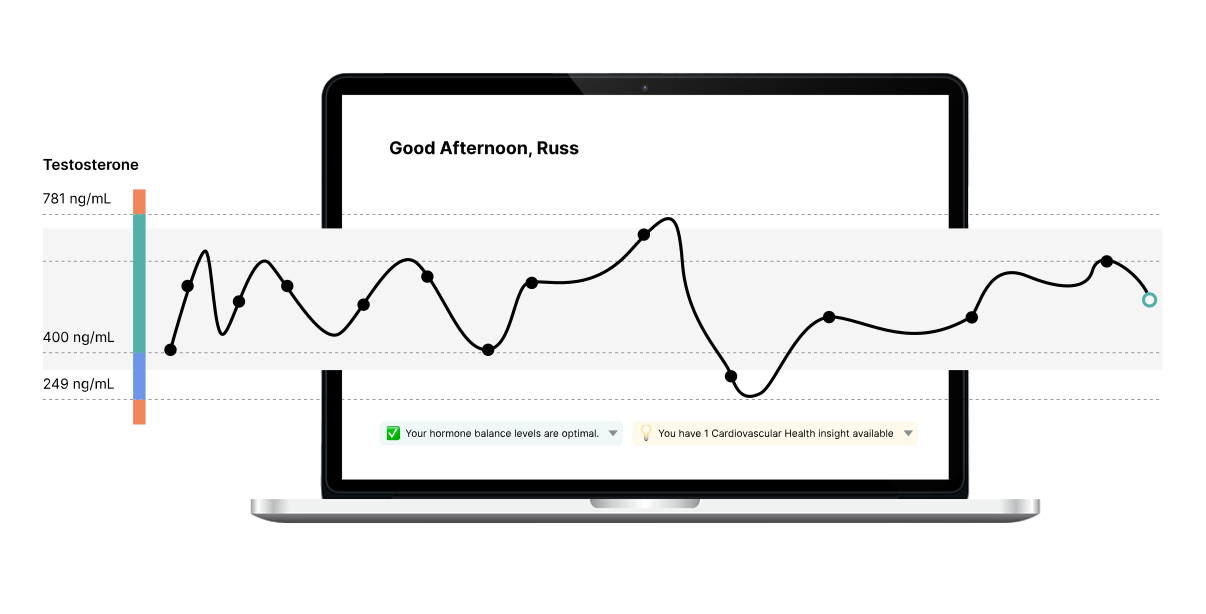
Sync your data
Seamlessly sync with your wearable device. Enabling you to effortlessly track and monitor your health and wellness data in real-time, facilitating proactive and informed decision-making for a healthier life.

Fire and Ice Partners with Siphox

Fire and Ice Recovery has teamed up with Siphox to enhance our commitment to your health with an innovative wellness solution. This partnership brings you an at-home kit that measures 17 critical blood biomarkers, providing detailed insights into your health. Designed to complement our recovery and IV services, this easy-to-use and clinically accurate kit empowers you to proactively manage your well-being. Offered at an exceptionally low price, it allows you to monitor key health indicators and make informed decisions to optimize both your recovery and overall performance. By combining Siphox’s advanced technology with our specialized treatments, we’re taking a comprehensive approach to help you achieve your health and wellness goals.